

Dandelion Stem Kimchi

This dandelion stem kimchi recipe is so crunchy and spicy, it makes for a delicious side dish and topping for sandwiches. The dandelions are a medicinal tonic that can be prepared as food, and the kimchi made from the process of fermentation contains lactic acid bacteria, providing health benefits for gut and overall health. My favourite way to enjoy it is on a cream cheese bagel or added to a bowl of rice with avocado and furikake.
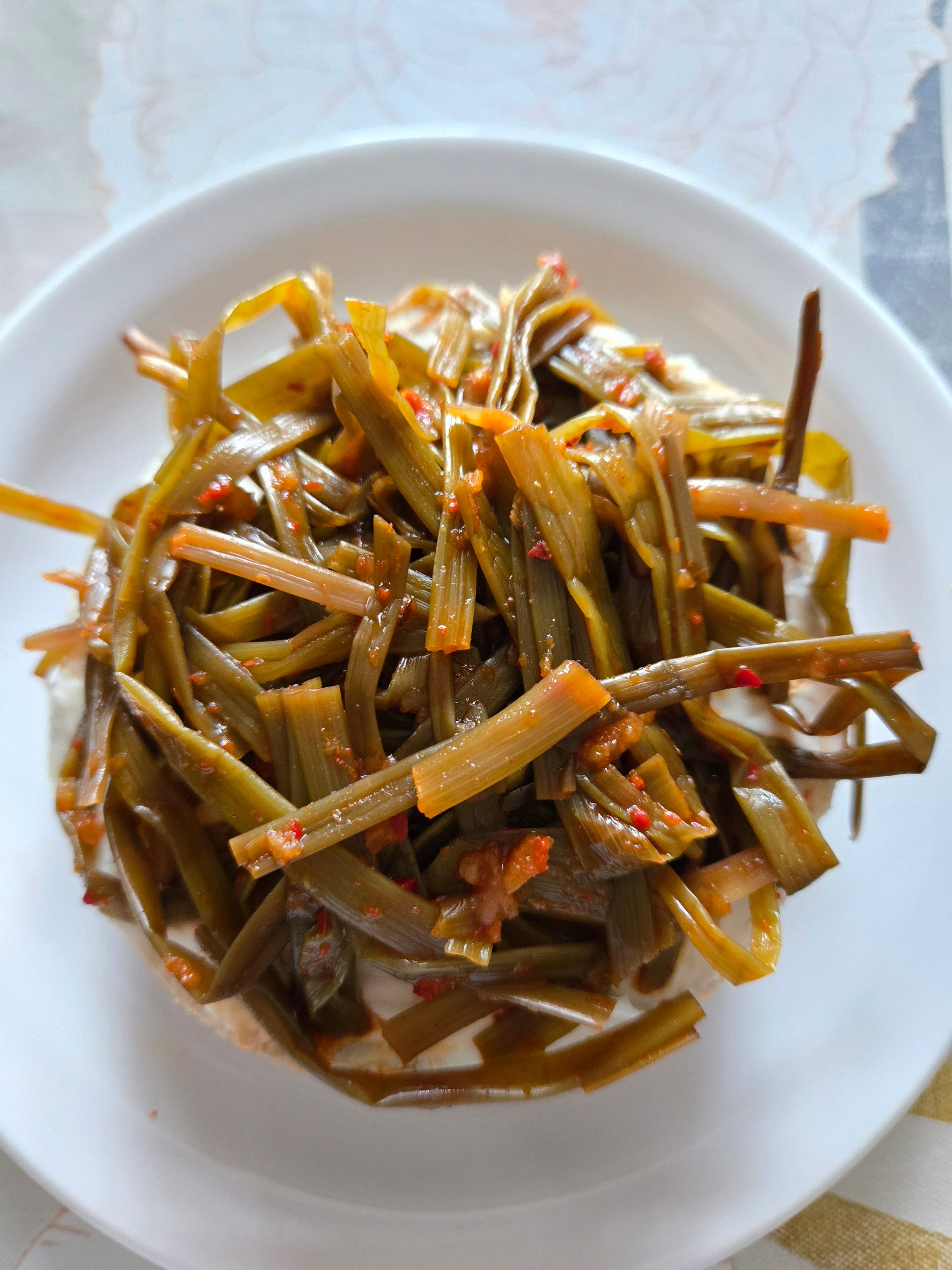
Kimchi has its origins in Korea as a traditionally fermented vegetable typically made with napa cabbage and spiced with red chili powder (gochugaru in Korean). There are many variations of kimchi prepared by Koreans, with one of them being a dandelion leaf kimchi called mindeulle kimchi.
Three years ago this month, when deciding what to make with the stems of my dandelion harvest that normally gets discarded in favour of the more commonly used roots and leaves, I chose to experiment with making a dandelion stem kimchi. The shape and texture of the stems is similar to that of green onions, which is another common form of kimchi eaten as a side dish. While this dandelion stem kimchi has quite a bit of chew, it is made unique with the distinct earthy and bitter flavours of dandelion.
Health Benefits of Dandelion
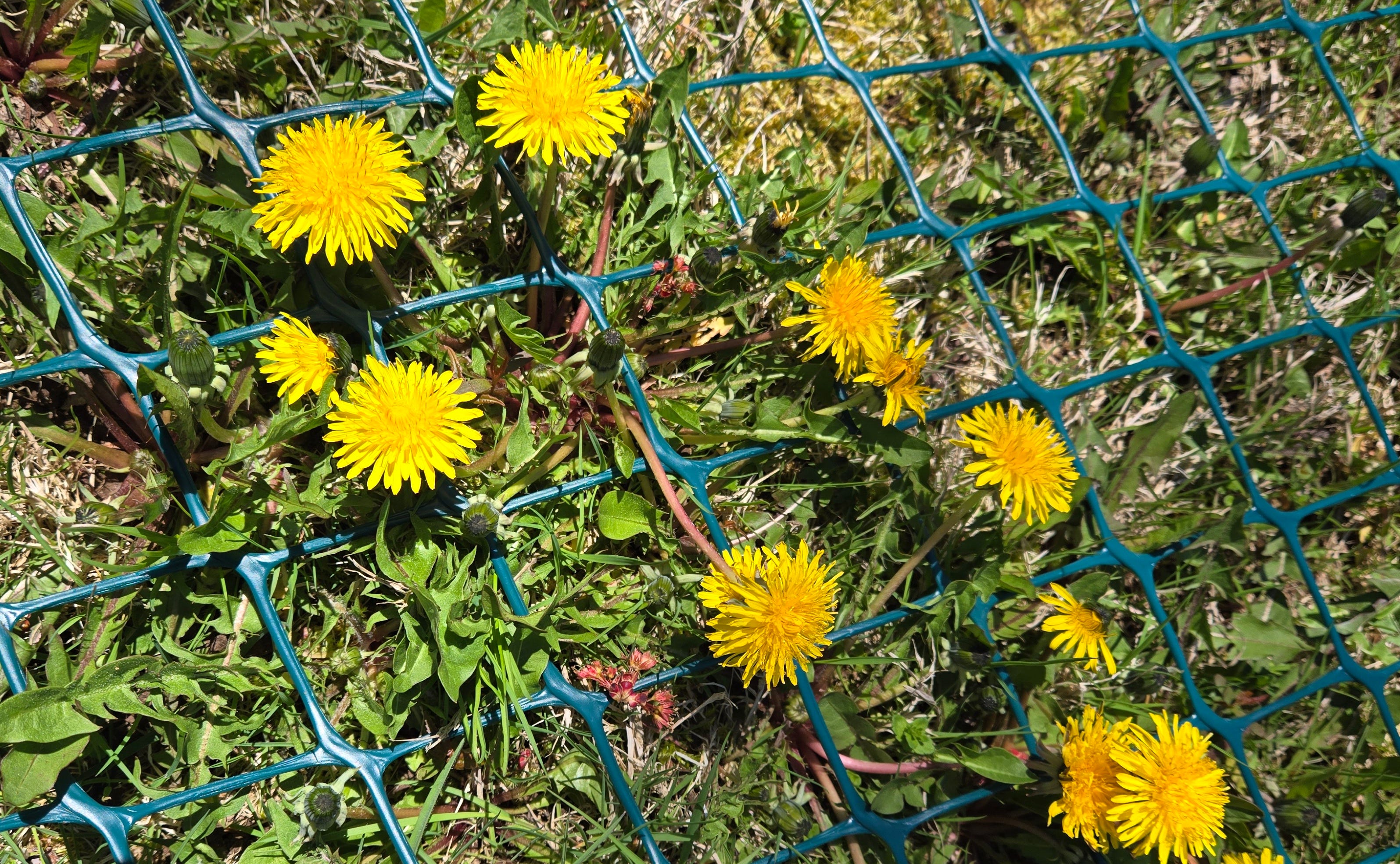
Dandelions (Taraxacum officinale) are abundant throughout temperate parts of the world, and are one of the first signs of spring. They grow prolifically on lawns and are one of the first blossoms that attract bees and other pollinators in my garden. All parts of a dandelion can be eaten and the aerial parts can be foraged in the wild to incorporate leafy greens in one’s diet without a cost. It is important to take care to properly identify and source the herb from an area that is not sprayed with herbicides or other contaminants.
Dandelion is such a versatile medicinal food plant, with the roots used in tea or roasted to make an imitation decaf coffee. The bitter roots are supportive of the liver, containing sesquiterpene lactones which helps with the secretion of bile from the liver to aid in digestion. It contains high levels of inulin, which is a soluble dietary fiber that feeds the beneficial bacteria of the digestive tract.
Dandelion leaves and stems are high in vitamins and minerals such as potassium, calcium, magnesium, vitamin C, and beta-carotene. They are known to be diuretic, removing excess fluid buildup from the body while sparing potassium. The leaves are known to act as antimicrobials, inhibiting the growth of harmful bacteria such as methicillin-resistant staphylococcus aureus (MRSA).
Health Benefits of Kimchi
Kimchi is a spicy, fermented food that contains high levels of the lactic acid beneficial bacteria. It is a probiotic promoting healthy gut bacteria, similar to other foods such as yogurt, sauerkraut and miso. Kimchi is made even more beneficial with the addition of functional ingredients such as garlic, ginger, red pepper powder and vinegar. A number of studies done on kimchi have observed that it has antioxidative, blood sugar lowering, and even antiatherosclerotic effects on the body, supporting heart health.
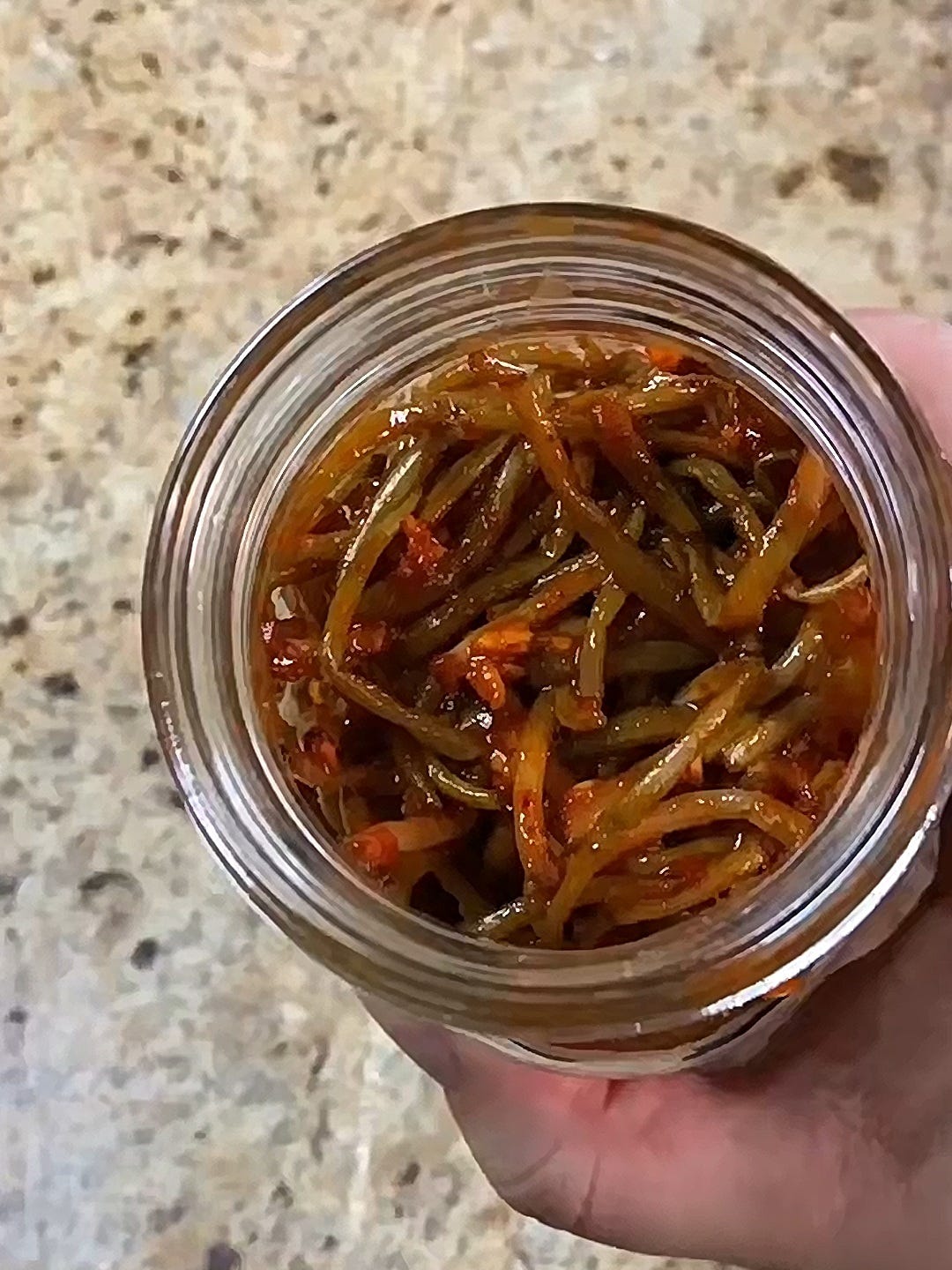
How to Make Dandelion Stem Kimchi
While I’ve been called ambitious before for trying to make food out of dandelion stems, I dare you to be adventurous enough to try it.
Yields about 13 oz of dandelion stem kimchi
Ingredients
11 oz dandelion stems
¼ cup pickling salt
4 garlic cloves, chopped
3 tablespoons gochujang (Korean red pepper paste)
1 tablespoon brown sugar
1 tablespoon gochugaru (Korean red pepper powder)
½ tablespoon fish sauce
½ tablespoon white vinegar
Instructions
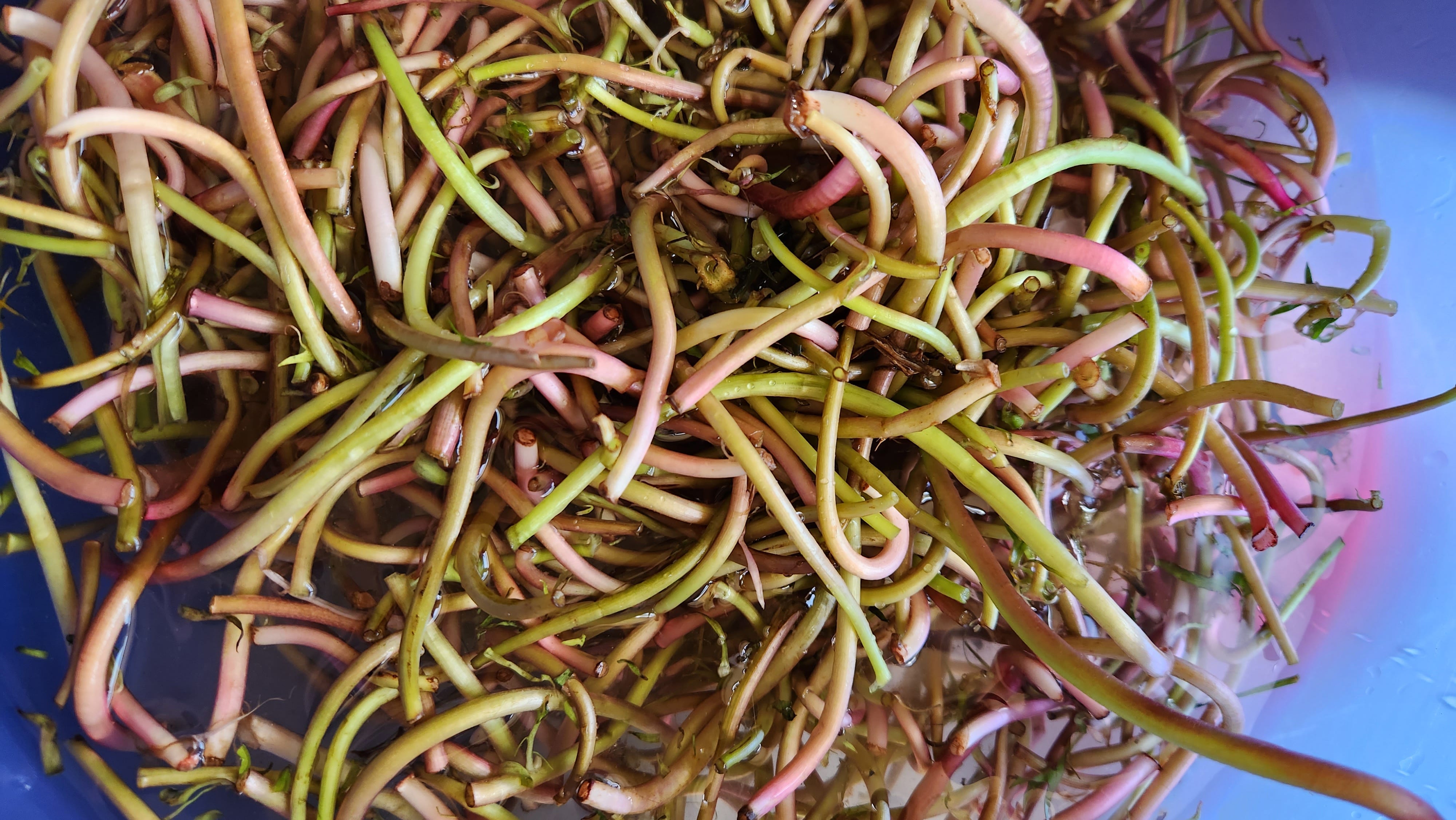
Identify and harvest fresh, young dandelion stems that are starting to bud or in the yellow flower stage.
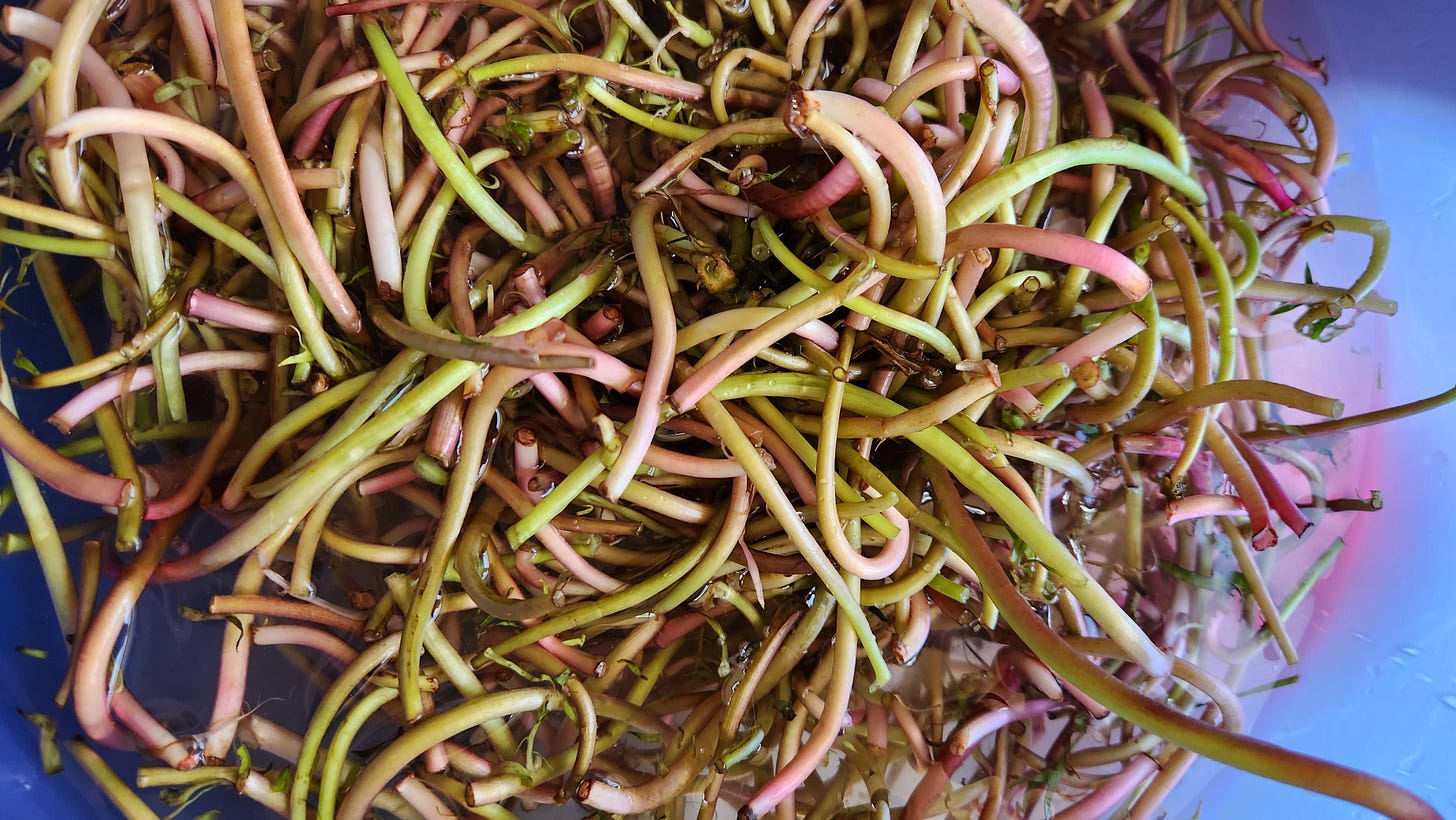
Wash the dandelion stems, then add to a pot with the salt and 1.5 L (50 oz) water. Cover with a flat plate to press down on the stems and cover with a lid. Leave at room temperature for 1 day in a dark area.
Strain the dandelion stems from the brine through a sieve and do not wash the stems so as to keep the lactic acid bacteria. Cut up the stems into smaller, 1-inch pieces.
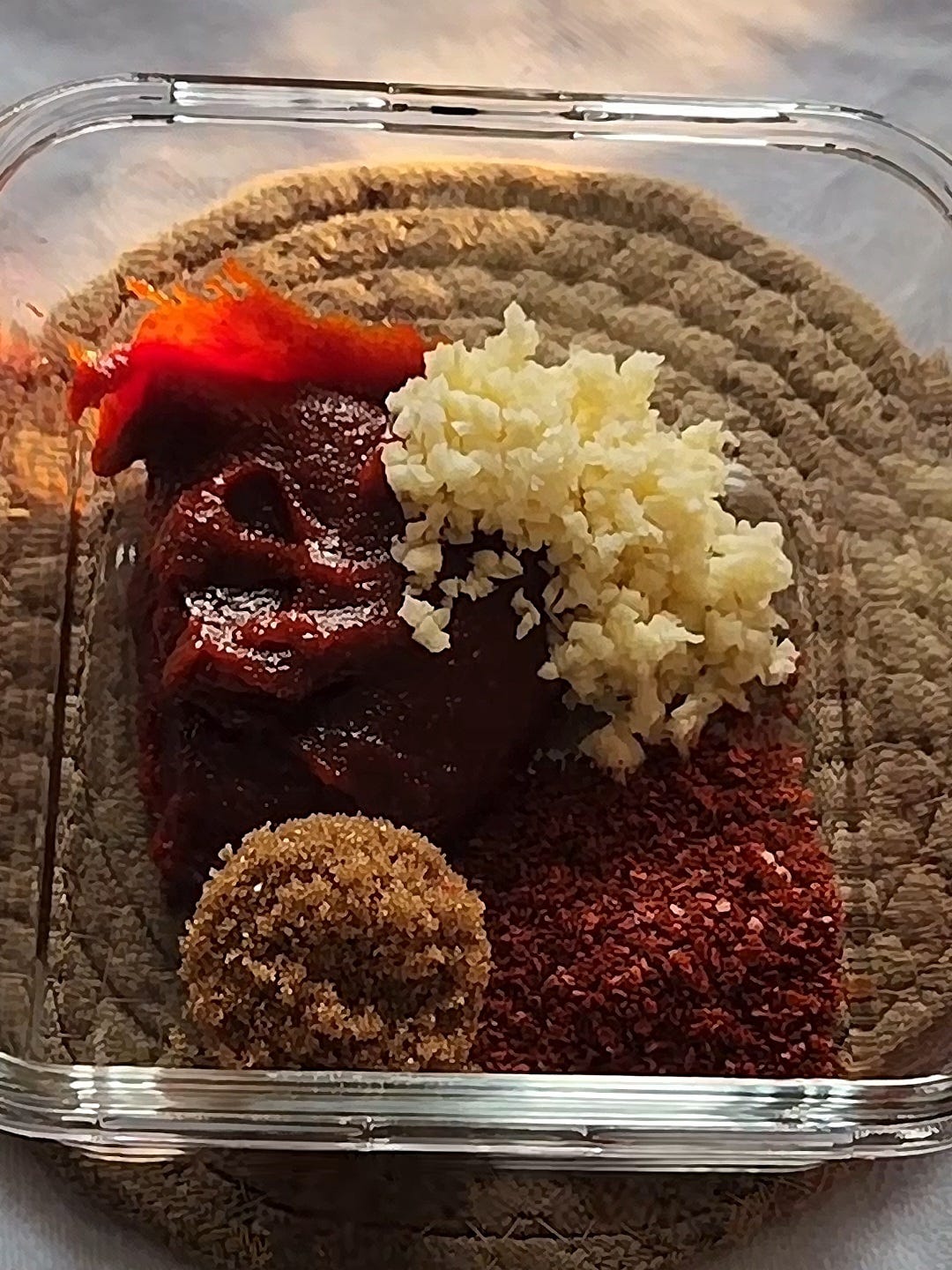
Make a paste of garlic cloves, gochujang, brown sugar, gochugaru, fish sauce and white vinegar.
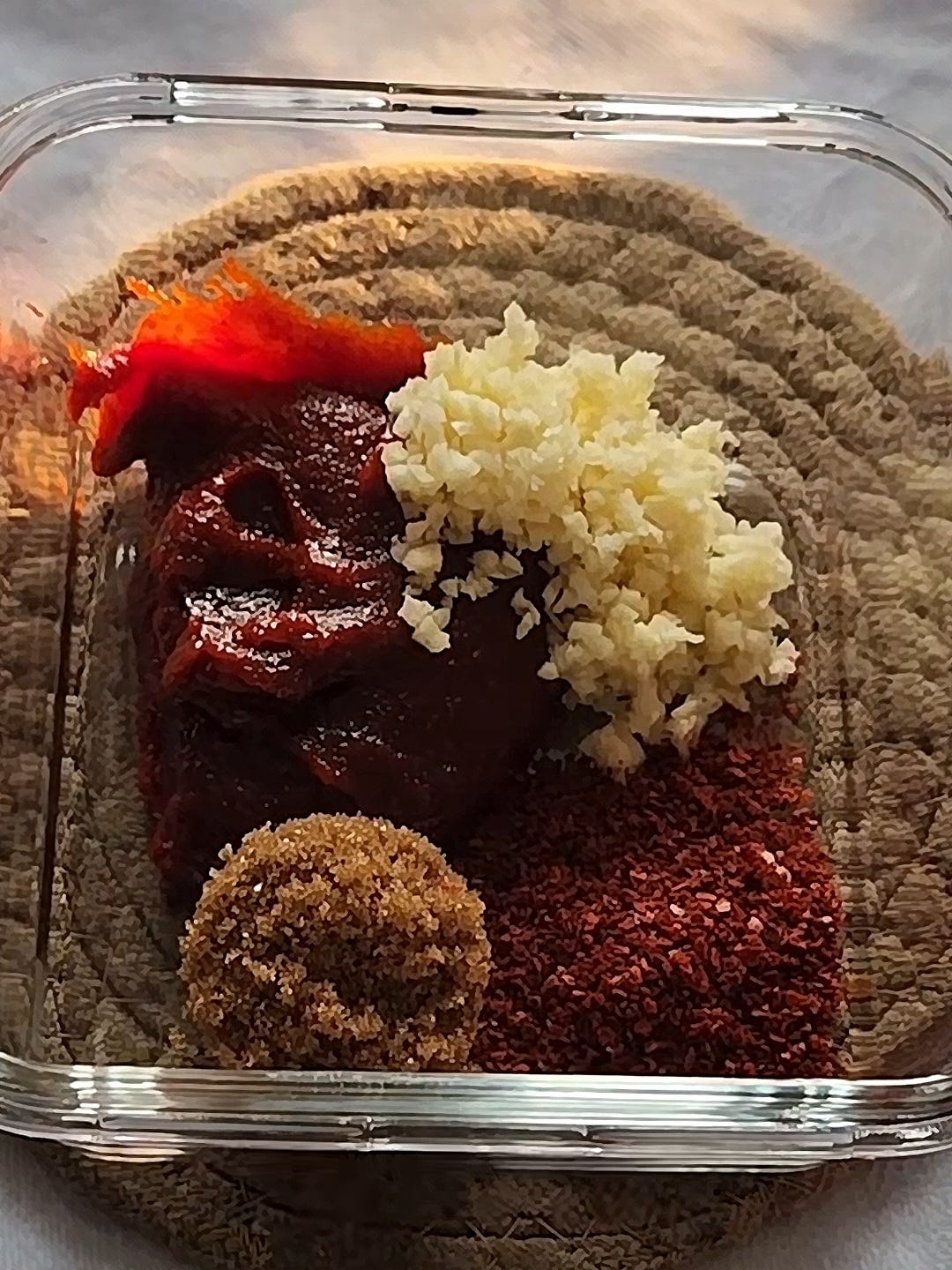
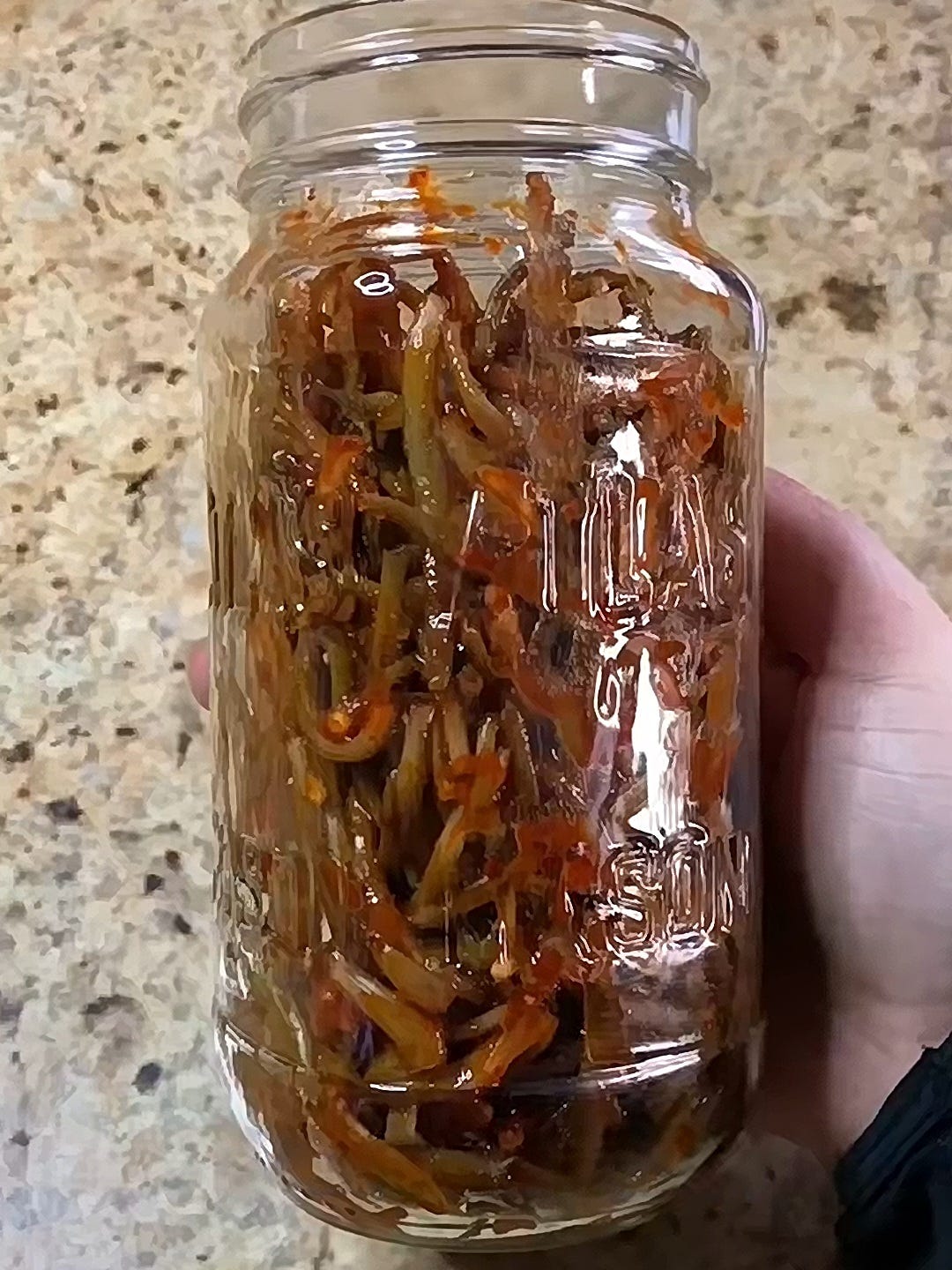
Combine the dandelion stems with the paste, add to a jar, seal the lid, and let ferment at room temperature for 1 day in a dark area. Open the lid every 6 hours to let out the gas bubbles produced from the fermentation process.
Once the dandelion stem kimchi is done fermenting, keep refrigerated.
Notes
Kimchi storage time in the fridge is around 1 month, give or take.
Once the kimchi is refrigerated, it slows down the fermentation process but does not eliminate it, which will make the kimchi more sour as time goes by.
You can combine both dandelion stems and leaves to make this kimchi.
To make this a vegan recipe, you can substitute the fish sauce with soy sauce or tamari.
There are many different ways to make kimchi and if you’d like to further experiment, you can add a minced white onion and ginger to the paste mixture.
If you do not have pickling salt, you can use kosher salt or table salt.
You can eat this dandelion stem kimchi the same way you’d eat the other more common variations of kimchi.
There is no medicine like making our own tasty and nutritious food out of the “weeds” growing in yards and public spaces.
Sahten! (Arabic for enjoy your meal, with the literal translation being “in double health”)
If you enjoyed reading and making this recipe, please subscribe to my Substack for more recipes in the future and share this article with your friends, family and community.
Nada
Beybotany
Mmmm!!! This looks so delicious!!! I was so intrigued by the idea that I shared it in my recent newsletter via a link to yours! If you haven't spotted it yet, check your email <3 <3 Looking forward to your future issues!